Powell River Top General Contractor for Quality Construction Services
Powell River Top General Contractor for Quality Construction Services
Blog Article
General Contractor: Your Valuable Professional for Household Endeavors
A general contractor holds an essential position in building projects. They handle various components of construction, guaranteeing that all work proceeds smoothly. Their command of building codes and standards permits them to navigate the challenges of authorizations and inspections. This knowledgeable professional serves as an important link between homeowners and subcontractors. However, many homeowners remain unsure about the full scope of their services. Understanding these details can have great importance for the accomplishment of any home renovation endeavor.
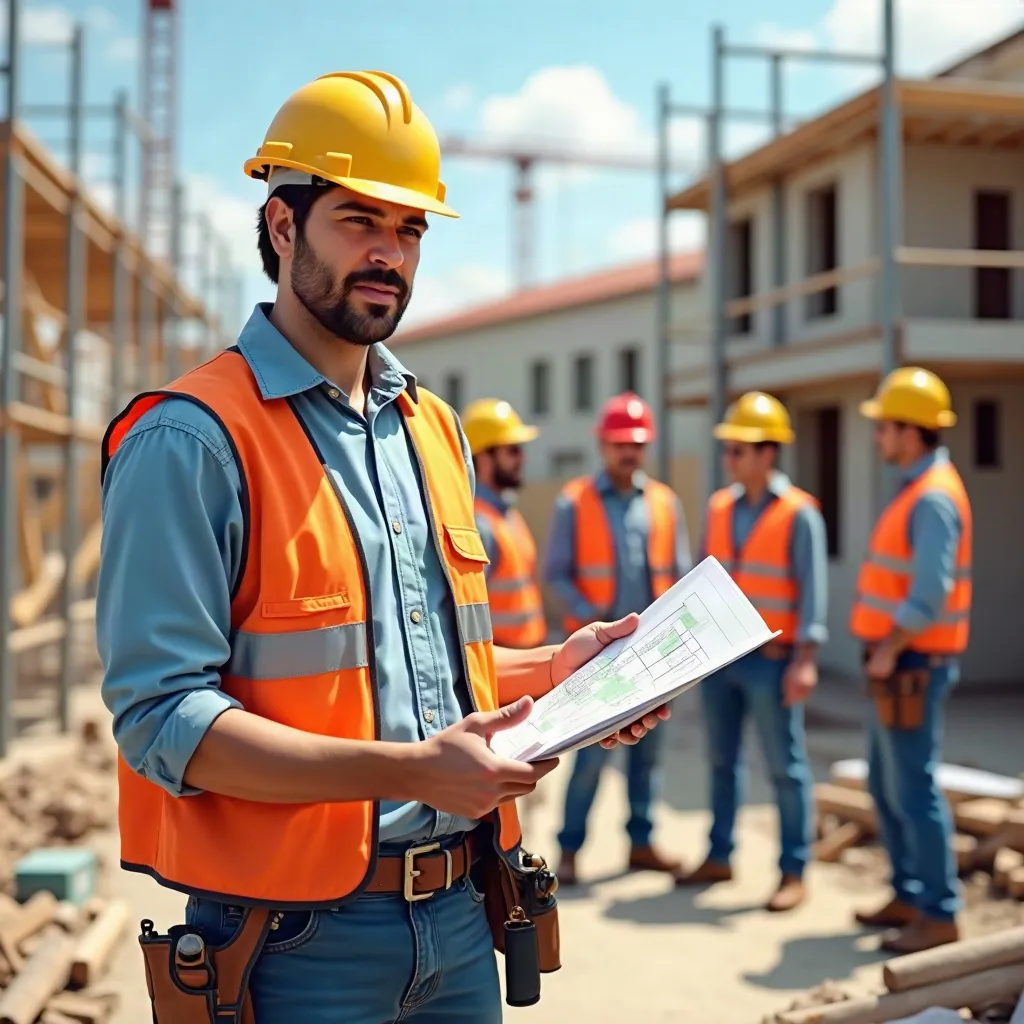
What Does a General Contractor Accomplish?
A general contractor directs the different components of a construction project, guaranteeing that everything runs smoothly from beginning to end. They function as the primary point of contact, managing correspondence between customers, specialized contractors, and vendors. This position includes developing the construction schedule, coordinating labor, and maintaining adherence with regional construction standards and regulations.
General contractors are in charge of acquiring required licenses and arranging inspections, which are essential to upholding safety and quality benchmarks. They also manage budgeting, sourcing materials, and managing on-site activities to prevent any possible setbacks or complications. In addition, they oversee subcontractors, ensuring that each phase of construction conforms to project specifications and timelines. Overall, a general contractor's expertise and organizational skills are crucial for delivering a successful construction project, transforming a client's vision into reality while managing multiple duties and obligations.
Benefits of Employing a General Contractor for Home Renovations
Bringing on a a general contractor for home renovations offers numerous advantages that can greatly improve the efficiency and quality of the project. Experienced contractors bring knowledge in project management, ensuring timelines are met and materials are distributed effectively. Their established connections with subcontractors can produce competitive rates and excellent quality, which ultimately saves homeowners time and money.
Additionally, construction professionals coordinate the detailed aspects of permits and inspections, minimizing potential legal issues. They also provide a centralized coordinator, simplifying exchanges and synchronization among assorted contractors. This streamlining diminishes the likelihood of miscommunications and interruptions.
Additionally, their background allows them to identify potential challenges, enabling quick fixes to keep the project on schedule. By bringing on a general contractor, homeowners can focus on their vision while enjoying peace of mind, knowing that a professional is managing every aspect of the renovation.
Clearing Up Misconceptions Regarding General Contractors
While many homeowners may hold false beliefs about general contractors, understanding the truths can lead to more informed decisions. One common myth is that hiring a general contractor is unnecessary for minor projects; however, their expertise can streamline even minor renovations, ensuring adherence with local codes. Another frequent belief is that general contractors are merely middlemen, but they often possess extensive knowledge in various trades, enabling them to oversee projects effectively. Additionally, some clients think that working with a contractor will significantly increase costs. In truth, a skilled contractor can often secure better pricing for materials and labor due to strong relationships with suppliers and subcontractors. Finally, many believe that contractors are rigid, but reputable contractors prioritize client communication and collaborate closely to meet specific needs. Cleared up myths can empower clients to leverage the true value of contractors in achieving successful home projects.
Identifying the Best General Contractor?
How can homeowners guarantee they select the right construction professional for their projects? The procedure starts with comprehensive investigation. Property owners should seek recommendations from friends, family, or online reviews to find potential candidates. Once a compilation is created, confirming credentials, such as licensing, bonding, and insurance, is essential to confirm credibility.
Next, homeowners should request and review portfolios of prior projects, focusing on projects similar in scope. Arranging consultations allows clients to gauge compatibility, discussing timelines, budgets, and expectations. It's also advisable to gather multiple bids for contrast, delivering a clear understanding of pricing.
Assessing references gives perspective on a contractor's dependability and expertise. Finally, trusting one's instincts is important; an opening discussion can reveal much about a contractor's way of communicating and methodology. By adhering to these guidelines, homeowners can significantly boost their likelihood of picking a general contractor who aligns with their requirements and aspirations.
Successful Communication Techniques With Your General Contractor
How might homeowners use approaches to maintain effective communication with their general contractor? Initiating transparent discussion from the beginning is critical. Homeowners must explicitly state their goals, project objectives, and spending restrictions during initial meetings. Ongoing reports can be supported through planned discussions, making certain that both parties stay coordinated throughout the project.
Documented materials, including emails or project logs, helps reinforce spoken understandings and minimizes misunderstandings. Homeowners should also encourage transparent communication by soliciting feedback and questions from the contractor, creating a collaborative environment.
In addition, tapping into technology, such as project management apps, can refine exchange of information by presenting a centralized interface for sharing updates, timelines, and changes. Finally, acting considerate and approachable can elevate camaraderie, allowing it less difficult for the contractor to articulate challenges or suggestions effectively. By utilizing these solutions, homeowners can build up a rewarding and forthright relationship with their general contractor.
Things to Understand When Your Project Launches?
As the project launches, homeowners can expect a burst of activity on-site. The project manager will organize groups of experienced professionals, including electricians, plumbers, and carpenters, who will begin their work according to the predetermined schedule. Homeowners may observe heavy machinery and materials being brought in, generating a lively environment.
Open communication is crucial during this stage. The contractor will communicate advancements and resolve any concerns that arise. Homeowners should prepare for potential disruptions, such as acoustic disturbances and limited access to certain areas of the home.
Safety safeguards will be in place to protect both workers and residents, ensuring a secure environment. Additionally, homeowners may be urged to maintain flexibility, as unforeseen issues can arise, demanding adjustments to the original plan. Overall, this initial phase establishes the foundation for the successful completion of the project, and active involvement is essential.
Essential Inquiries for Your Contractor Agreement?
Pinpointing the correct matters to ask when finalizing a general contractor agreement is vital for assuring a frictionless project. Homeowners should inquire about the contractor's license and coverage to verify their credentials and protection against accountability. Understanding the project schedule and targets is important; therefore, asking about estimated completion dates helps manage expectations.
It is also crucial to establish payment terms, including upfront payments and payment schedules, to avoid misunderstandings. Property owners should request a detailed breakdown of costs, including supplies and workmanship, to guarantee transparency. Additionally, addressing the procedure for handling modifications or unforeseen issues can avoid conflicts down the road.
Lastly, homeowners should inquire into the qualifications of subcontractors, as well as the communication approach of the contractor throughout the project. By addressing these questions, homeowners can establish a strong working relationship with their general contractor, ultimately leading to a successful home project.
Common Questions Posed Often
In What Fashion Do General Contractors Charge for Their Work?
Contractors generally levy charges via flat fees, time-based rates, or a share of the complete project budget. Their rates may also include resources, workforce costs, and overhead, relative to the project's complexity and scope.
Can a General Contractor Provide Assistance With Requirements and Inspections?
Yes, a general contractor can aid in obtaining permits and managing inspections. They typically navigate local codes and ensure regulatory adherence, simplifying the workflow for homeowners while facilitating necessary authorizations throughout the construction project.
What Skills Should I Search for in a General Contractor?
When hiring a construction firm, dive in one should review professional credentials such as valid licensing, comprehensive insurance, experience in relevant projects, excellent references, and effective communication skills, confirming they demonstrate the necessary expertise to handle the project successfully.
What Duration Should You Anticipate for a Typical Home Renovation Project?
A standard home remodeling undertaking can require anywhere from a few weeks to several months, depending on the scope, complexity, and size of the project, as well as the availability of materials and labor.
What Transpires if My Project Overshoots Spending Cap?
If a project goes over budget, the builder usually talks through the reasons and options with the homeowner. Adjustments may include scaling back, seeking additional funding, or modifying the project parameters to align with budget constraints.
Report this page