Powell River Top General Contractor for Quality Workmanship
Powell River Top General Contractor for Quality Workmanship
Blog Article
General Contractor: Your Ideal Contractor for Home Tasks
A general contractor executes an important role in residential undertakings. They coordinate multiple components of construction, making sure that operations proceed smoothly. Their expertise in building codes and requirements enables them to navigate the complexities of permits and inspections. This expert acts as an essential connection between homeowners and subcontractors. However, many homeowners remain uncertain about the full extent of their work offerings. Understanding these particulars can have a major impact on the success of any renovation project.
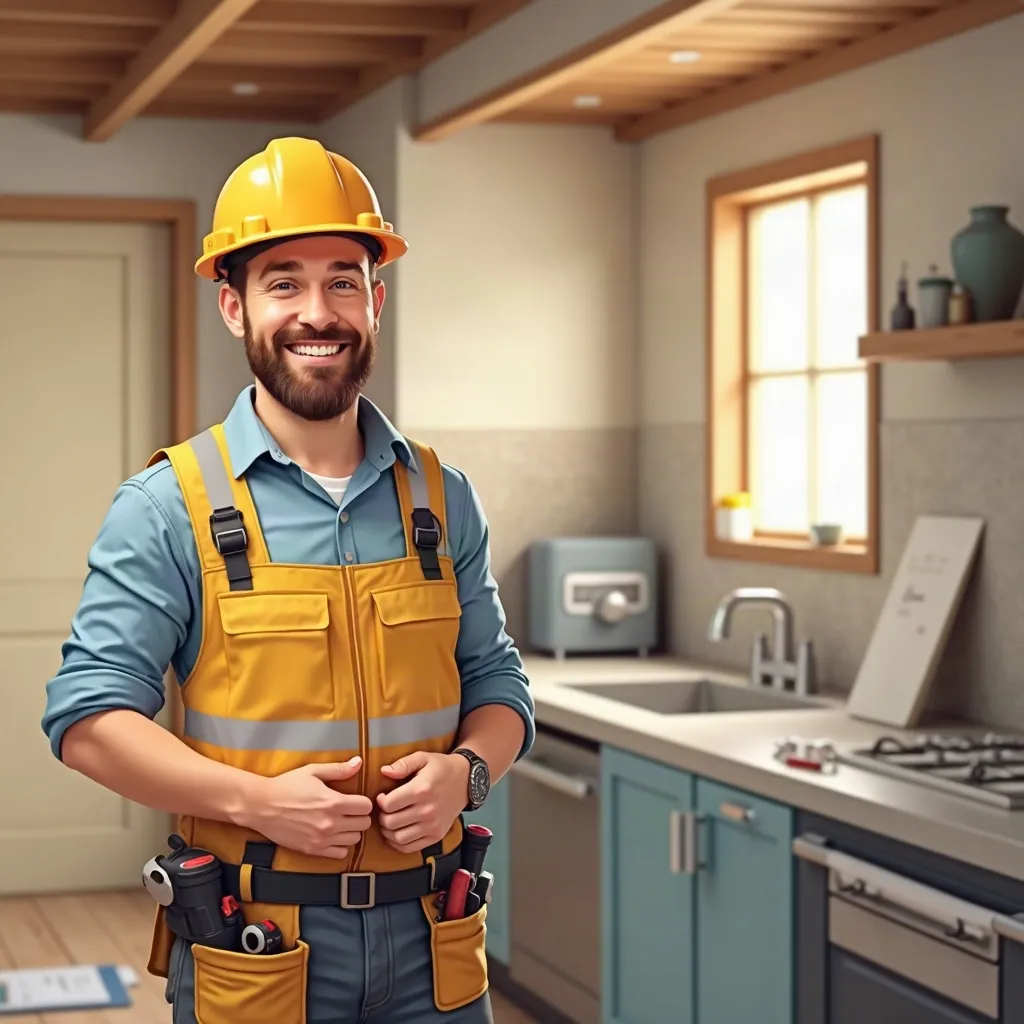
What Does a General Contractor Handle?
A general contractor manages the diverse facets of a construction project, ensuring that all operations flow without issue from start to finish. They represent the primary point of contact, directing interactions between stakeholders, subcontractors, and distributors. This function requires planning the construction calendar, coordinating personnel, and ensuring adherence with municipal construction standards and regulations.
General contractors are in charge of obtaining necessary permits and scheduling inspections, which are essential to upholding safety and quality benchmarks. They also manage budgeting, sourcing materials, and managing on-site activities to mitigate any potential delays or issues. In addition, they oversee subcontractors, making sure that each phase of construction conforms to project specifications and timelines. Overall, a general contractor's expertise and organizational skills are crucial for delivering a successful construction project, turning a client's vision into reality while managing multiple duties and obligations.
Advantages of Utilizing a General Contractor for Home Renovation Projects
Contracting a general contractor for residential upgrades provides numerous benefits that can substantially enhance the efficiency and quality of the work. Professional contractors bring expertise in managing projects, making sure that timelines are met and funds are distributed efficiently. Their established connections with specialized contractors can lead to superior pricing and excellent craftsmanship, which finally benefits homeowners regarding both time and money.
Also, building managers supervise the intricate details of authorizations and assessments, minimizing prospective legal complications. They also furnish a single point of contact, easing correspondence and cooperation among different professionals. This integration reduces the potential for misunderstandings and delays.
In addition, their proficiency empowers them to foresee emerging challenges, facilitating timely interventions to maintain the project on track. By hiring a general contractor, homeowners can devote attention to their vision while savoring peace of mind, knowing that a professional is overseeing every aspect of the renovation.
Clearing Up Misconceptions Regarding Construction Professionals
While many property owners may believe false notions about general contractors, understanding the realities can result in more sound decisions. One common myth is that hiring a contractor is unnecessary for minor projects; nevertheless, their know-how can streamline even small-scale renovations, guaranteeing observance with local codes. Another widespread belief is that general contractors are merely middlemen, but they frequently have extensive knowledge in various trades, enabling them to coordinate projects competently. Additionally, some clients believe that working with a contractor will notably increase costs. In fact, a qualified contractor can often negotiate better pricing for materials and labor due to established relationships with suppliers and subcontractors. Lastly, many consider that contractors are unyielding, but reputable contractors value client communication and collaborate closely to address specific needs. Resolved myths can empower clients to capitalize on the true value of contractors in achieving successful home projects.
Finding the Ideal General Contractor?
How can property owners guarantee they choose the right construction professional for their assignments? The process starts with comprehensive investigation. Homeowners should obtain recommendations from friends, family, and online reviews to find qualified contractors. Once a compilation is created, confirming credentials, such as licensing, insurance, and bonding, is crucial to verify legitimacy.
Next, homeowners should ask for and examine collections of past projects, focusing on projects similar in scope. Setting up interviews allows homeowners to assess fit, discussing schedules, costs, and requirements. It's also advisable to obtain multiple quotes for evaluation, providing a better grasp of costs.
Verifying references offers understanding of a contractor's reliability and professionalism. Finally, following your intuition is essential; an first consultation can expose a contractor's way of communicating access now and methodology. By following these steps, homeowners can substantially improve their odds of choosing a general contractor who aligns with their objectives and goals.
Proven Communication Methods Alongside Your General Contractor
How can homeowners leverage strategies to ensure strong exchanges with their general contractor? Setting transparent communication from the commencement is vital. Homeowners must clearly express their goals, project goals, and financial limits during initial meetings. Consistent information can be promoted through scheduled discussions, guaranteeing that both parties stay synchronized throughout the project.
Leveraging documentation records, like emails or project logs, strengthens spoken arrangements and reduces confusion. Homeowners should equally support open dialogue by welcoming feedback and questions from the contractor, fostering a cooperative environment.
In addition, harnessing technological tools, such as project management apps, can refine exchange of information by supplying a core platform for communicating updates, timelines, and changes. Finally, acting respectful and approachable can elevate rapport, enabling it less difficult for the contractor to articulate challenges or suggestions in an effective manner. By utilizing these solutions, homeowners can build up a rewarding and forthright relationship with their general contractor.
Things to Know When Your Project Begins?
As the initiative begins, homeowners can anticipate a burst of activity on-site. The general contractor will organize teams of skilled tradespeople, such as electricians, plumbers, and carpenters, who will start their tasks according to the established timeline. Homeowners may observe equipment and supplies being delivered, creating a lively environment.
Maintaining communication is critical during this stage. The contractor will furnish progress reports on work being done and address any concerns that develop. Homeowners should prepare for possible disruptions, such as sound levels and reduced access to certain areas of the home.
Safety measures will be in place to safeguard both workers and residents, guaranteeing a secure environment. Additionally, homeowners may be encouraged to preserve flexibility, as unexpected problems can arise, necessitating adjustments to the original plan. Overall, this initial phase lays the groundwork for the successful completion of the project, and active participation is essential.
Basic Questions for Your Overall Contractor Agreement?
Identifying the correct inquiries to pose when finalizing a general contractor agreement is essential for guaranteeing a seamless project. Homeowners should question about the contractor's license and coverage to verify their credentials and protection against liabilities. Understanding the project schedule and benchmarks is meaningful; therefore, asking about projected completion dates helps manage expectations.
It is also essential to define payment terms, comprising deposit amounts and payment schedules, to sidestep miscommunications. Homeowners should seek a thorough accounting of fees, encompassing components and labor, to assure openness. Moreover, talking through the process for dealing with adjustments or unexpected complications can thwart disagreements in the future.
In conclusion, property owners must investigate details about the qualifications of their subcontractors, as well as the contractor's communication approach throughout the project. By considering these questions, homeowners can establish a productive relationship with their lead contractor, ultimately achieving a successful home project.
Frequently Requested Questions
In What Fashion Do General Contractors Request Payment for Their Services?
General contractors typically charge through fixed fees, hourly rates, or a portion of the overall project expense. Their pricing may also include supplies, labor, and operational expenses, depending on the project's complexity and scope.
Can a General Contractor Assist With Documentation and Inspections?
Yes, a general contractor can help with securing permits and managing inspections. They typically handle local codes and confirm adherence, making it easier for homeowners while supporting necessary authorizations throughout the building project.
What Skills Should I Select in a General Contractor?
When designating a general contractor, one should evaluate qualifications such as licensing, insurance, history with related undertakings, positive references, and proficient communication practices, confirming they possess the vital expertise to administer the project as planned.
How long Does a Typical Home Remodeling Project Require?
A typical home renovation project can consume anywhere from a few weeks to several months, according to the range, intricacy, and size of the project, as well as the availability of materials and labor.
What Occurs if My Undertaking Goes Over Budget?
If a project goes over budget, the contractor typically discusses the causes and alternatives with the property owner. Changes may include scaling back, seeking additional funding, or revising the project scope to match budget constraints.
Report this page