Powell River Top General Contractor for Reliable Building Solutions
Powell River Top General Contractor for Reliable Building Solutions
Blog Article
General Contractor: Your Optimal Professional for Home Projects
A general contractor plays an essential role in residential construction. They manage various aspects of building work, guaranteeing that all operations proceed without issues. Their expertise in construction regulations and standards allows them to handle the intricacies of licenses and inspections. This expert serves as a critical link between homeowners and subcontractors. However, many homeowners remain unsure about the full scope of their services. Comprehending these details can significantly impact the success of any renovation project.
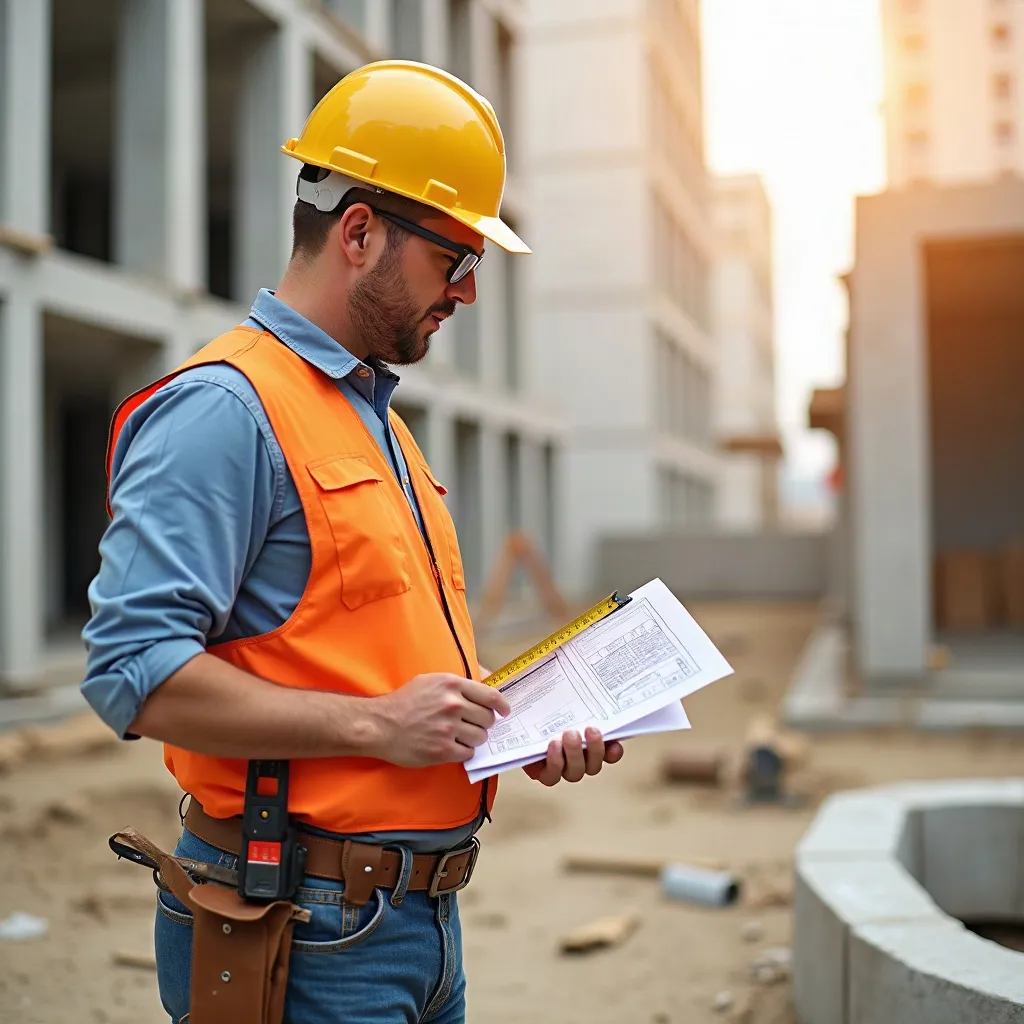
What Duties Does a General Contractor Perform?
A general contractor directs the various elements of a construction project, ensuring that everything runs smoothly from initiation to completion. They serve as the chief communication hub, managing communication between project owners, subcontractors, and material providers. This responsibility involves structuring the project timeline, supervising crew members, and verifying compliance with area construction rules and regulations.
General contractors are responsible for obtaining necessary permits and scheduling inspections, which are essential to upholding safety and quality benchmarks. They also manage budget planning, material procurement, and overseeing site operations to mitigate any potential delays or issues. In addition, they oversee subcontractors, ensuring that each phase of construction aligns with project specifications and timelines. Overall, a general contractor's knowledge and management abilities are crucial for delivering a successful construction project, turning a client's vision into reality while balancing multiple tasks and responsibilities.
Advantages of Engaging a General Contractor for Residential Updates
Contracting a general contractor for residential upgrades provides numerous advantages that can substantially enhance the quality and efficiency of the project. Professional contractors offer expertise in managing projects, ensuring that timelines are met and resources are allocated effectively. Their established connections with subcontractors can lead to superior pricing and superior workmanship, which finally helps property owners regarding both time and money.
Furthermore, general contractors address the complex elements of approvals and reviews, limiting potential legal issues. They also supply a one main contact, facilitating interaction and management among multiple specialists. This consolidation reduces the probability of misunderstandings and delays.
Additionally, their background lets them to anticipate potential challenges, permitting proactive solutions to stay on track the project on schedule. By bringing on a general contractor, homeowners can concentrate on their vision while enjoying peace of mind, assured that a professional is handling every aspect of the renovation.
Dispelling Common Myths Surrounding Builders
Many homeowners may hold misconceptions about contracting professionals, but understanding the realities can lead to more informed decisions. A common myth is that hiring a contractor is not needed for small projects; yet, their ability can make easier even minor renovations, ensuring alignment with local codes. Another common belief is that general contractors are simply middlemen, but they usually possess extensive knowledge in various trades, allowing them to manage projects successfully. Furthermore, some clients think that collaborating with a contractor will considerably inflate costs. In truth, a competent general contractor can often attain better pricing for materials and labor due to firm relationships with suppliers and subcontractors. Lastly, many believe that general contractors are inflexible, but reputable contractors emphasize client communication and work closely to fulfill tailored needs. Debunked myths can empower homeowners to make the most of the actual value of general contractors in completing successful home projects.
Identifying the Most Suitable General Contractor?
How can property owners guarantee they select the best general contractor for their projects? The process starts with thorough research. Property owners should obtain suggestions from friends, family, and online reviews to identify qualified contractors. Once a compilation is compiled, confirming credentials, such as licensing, insurance, and bonding, is crucial to confirm credibility.
Next, property owners should request and review portfolios of previous work, focusing on assignments of comparable size. Scheduling meetings allows property owners to gauge compatibility, covering timelines, budgets, and expectations. It's also recommended to obtain multiple quotes for evaluation, offering a clear understanding of expenses.
Reviewing references gives perspective on a contractor's reliability and professionalism. Finally, relying on your gut feeling is important; an first consultation can uncover a contractor's way of communicating and methodology. By following these steps, homeowners can markedly increase their likelihood of picking a general contractor who aligns with their project needs and vision.
Powerful Communication Tactics To Use Alongside Your General Contractor
What strategies can homeowners utilize to secure proper interaction with their general contractor? Setting up open dialogue from the start is vital. Homeowners should clearly articulate their expectations, project aims, and budget constraints during opening conversations. Ongoing reports can be supported through scheduled meetings, guaranteeing that both parties remain synchronized throughout the project.
Leveraging documentation records, like emails or project logs, strengthens spoken arrangements and reduces misunderstandings. Homeowners should equally encourage transparent communication by welcoming feedback and questions from the contractor, building a collaborative atmosphere.
Moreover, utilizing digital tools, such as project management apps, can streamline communication by providing a unified system for sharing information, timelines, and changes. Finally, being courteous and approachable can strengthen rapport, making it simpler for the contractor to communicate challenges or suggestions successfully. By implementing these strategies, homeowners can cultivate a productive and transparent partnership with their general contractor.
What You Should Know When Your Initiative Gets Underway?
As the project launches, homeowners can expect a flurry of activity on-site. The project manager will organize teams of skilled tradespeople, including electricians, plumbers, and carpenters, who will begin their tasks following the established timeline. Homeowners may notice equipment and supplies being delivered, creating a lively environment.
Maintaining communication is critical during this phase. The contractor will supply updates on work being done and address any concerns that come up. Homeowners should prepare for possible disruptions, such as sound levels and limited availability to certain areas of the home.
Safety protocols will be in place to protect both workers and residents, maintaining a secure environment. Additionally, homeowners may be encouraged to maintain flexibility, as unforeseen issues can arise, prompting adjustments to the original plan. Overall, this initial phase initiates the foundation for the successful completion of the project, and active engagement is essential.
Critical Questions for Your General Contractor Deal?
Deciding which questions to raise when finalizing a general contractor agreement is vital for guaranteeing a smooth project. Homeowners should check about the contractor's credentials and insurance to verify their credentials and protection against liabilities. Understanding the project deadlines and goals is significant; therefore, asking about expected completion dates helps manage expectations.
It is also important to clarify financial agreements, such as deposit amounts and payment schedules, to prevent misunderstandings. Homeowners should request a detailed breakdown of expenses, including materials and workmanship, to guarantee transparency. Furthermore, discussing the procedure for examine this material managing modifications or unexpected problems can prevent disputes down the road.
To wrap up, property owners should look into information about the experience of subcontractors, as well as the communication methods of the contractor throughout the project. By addressing these concerns, property owners can nurture a productive relationship with their general contractor, ultimately facilitating a successful home project.
Frequently Requested Questions
In What Manner Do General Contractors Charge for Their Work?
General contractors typically charge via set fees, hourly pricing, or a cut of the total project price. Their fee structure may also include materials, human resources, and overhead, determined by the level of complexity and project scope.
Can a General Contractor Help With Permits and Assessments?
Yes, a construction contractor can help with obtaining permits and managing inspections. They typically handle local codes and ensure compliance, simplifying the workflow for homeowners while enabling necessary approvals throughout the building project.
What Competencies Should I Seek out in a General Contractor?
When designating a construction company, one should evaluate professional attributes such as licensing, suitable insurance, experience in relevant projects, positive references, and effective communication skills, ensuring they retain the necessary expertise to manage the project successfully.
How Much Time Does a Common Home Restoration Job Need?
A routine home renovation work can extend anywhere from a few weeks to several months, subject to the scope, difficulty, and size of the project, as well as the availability of materials and labor.
What Takes Place if My Initiative Surpasses Financial Limits?
If a project exceeds the budget, the builder usually talks through the causes and alternatives with the homeowner. Changes may consist of scaling back, obtaining more funds, or modifying the project parameters to match budget constraints.
Report this page